
Most people don’t think about their hot water system until it stops working. As long as the shower runs hot and the kitchen tap delivers what it should, the tank sitting quietly in the garage or outside wall gets ignored. But a recent job in Camillo is a good reminder that gas storage systems need attention long before they actually fail, and that a bit of routine servicing can add years to a tank’s working life.
The homeowner had noticed a faint rumbling from the tank and slightly less hot water than usual, but nothing dramatic enough to call an emergency plumber. That turned out to be exactly the right time to get it looked at.
What a Gas Storage Hot Water System Needs (And Why Servicing Gets Skipped)
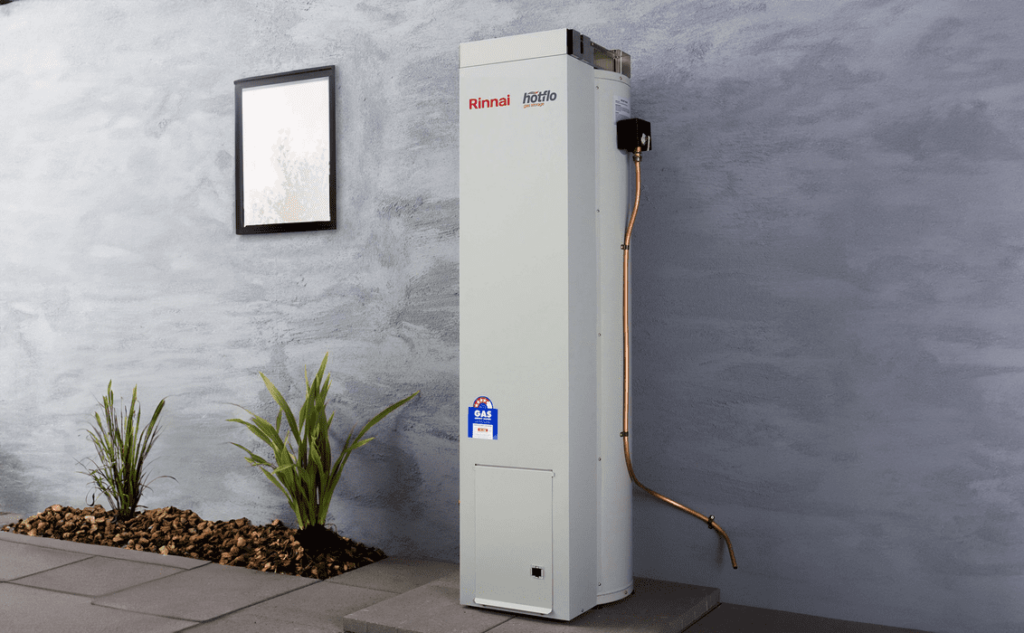
A gas storage system works by holding a tank of water and reheating it with a gas burner as needed. Two parts inside that tank wear down steadily over time, even when everything seems to be working fine. Sediment builds up on the bottom of the tank from minerals in the water supply, and the sacrificial anode, a rod designed to corrode instead of the tank itself, slowly wears away as it does its job.
Neither of these problems is visible from the outside, and neither one causes an obvious issue until it’s fairly advanced. That’s exactly why most homeowners never get around to servicing their system until something goes wrong. Regular gas storage hot water system servicing in Perth is designed to catch sediment buildup and anode wear early, before they turn into a tank failure or a full replacement.
Warning Signs Your System Needs a Service
A few signs tend to show up before a system fails outright:
- Rumbling or banging noises coming from the tank
- Rusty or discoloured hot water coming out of taps
- Reduced hot water volume or inconsistent temperature
- A system that’s five or more years old and has never been serviced
Any of these on their own is worth a look. Together, they usually mean sediment and anode wear have been building for a while.
The Camillo Job: What the Service Involved
The job followed a fairly standard servicing process, though each step matters more than people tend to assume:
- An initial inspection of the tank, fittings, and gas connections to check for any obvious faults
- Draining and flushing the tank to clear out built-up sediment from the base
- Removing and inspecting the sacrificial anode, which was worn down significantly and needed replacing
- Checking the pressure relief valve and connections for wear or leaks
- Refilling the system and testing water temperature and pressure at the tap
Once the flush and anode replacement were done, the rumbling noise was gone and hot water flow returned to normal.
Why Sediment and Anode Wear Matter Long-Term
Sediment buildup does more than cause noise. It sits between the burner and the water, reducing heating efficiency and pushing gas bills up as the system works harder to reach the same temperature. Left long enough, it also contributes to premature tank failure.
The anode is even more critical. Once it’s fully corroded away, the tank itself becomes the next thing exposed to corrosion, which eventually leads to leaks. A tank that’s leaking generally can’t be repaired, only replaced, so a worn anode left unchecked is often the difference between a small service cost and a full system replacement.
How Often Should Servicing Happen
As a general rule, most gas storage systems benefit from a service every one to two years, though it’s worth checking manufacturer guidelines for the specific unit. Systems in areas with harder water may need more frequent attention, since sediment builds up faster.
Catching issues during a routine service is almost always cheaper and less disruptive than dealing with a tank failure, which usually means no hot water and an emergency callout at the worst possible time.
If your hot water system is making noise, running low on hot water, or hasn’t been serviced in a few years, it’s worth getting it checked before those small warning signs turn into a full replacement.