
Walk through any car meet in the New York area on a Friday night and you’ll notice something: the imports are no longer a niche curiosity. Skylines, Silvias, and Preludes sit parked next to modern builds, drawing crowds who know exactly what’s under the hood. What used to be a small, tight-knit group of import enthusiasts has grown into one of the most active JDM communities on the East Coast, and a lot of that growth traces back to one thing: engine swaps.
For years, JDM engine swaps were something you heard about through forums or word of mouth from a friend who “knew a guy.” Now, it’s a mainstream part of the build culture in New York, with shops, meets, and online communities all feeding into a scene that shows no signs of slowing down.
The Growth of JDM New York as an Import Hub
New York’s position as a major port city has always made it a natural entry point for imported vehicles and parts, but the last several years have seen that advantage turn into something bigger: a genuine hub for the JDM scene. Established import networks in the region mean shorter wait times and more competitive pricing compared to areas without direct access to shipping routes from Japan. That logistical advantage, paired with a growing enthusiast base, has made JDM New York a recognizable name among people searching for engines locally rather than gambling on a listing from across the country.
Buyers increasingly want to see what they’re getting, talk to someone who knows the inventory, and avoid the guesswork that comes with buying sight unseen.
Local shops have picked up on this shift too. Where a shop might have once specialized purely in domestic performance work, many now carry JDM inventory or partner with importers directly, responding to demand rather than creating it.
Why Local Buyers Are Choosing JDM Swaps Over Domestic Rebuilds
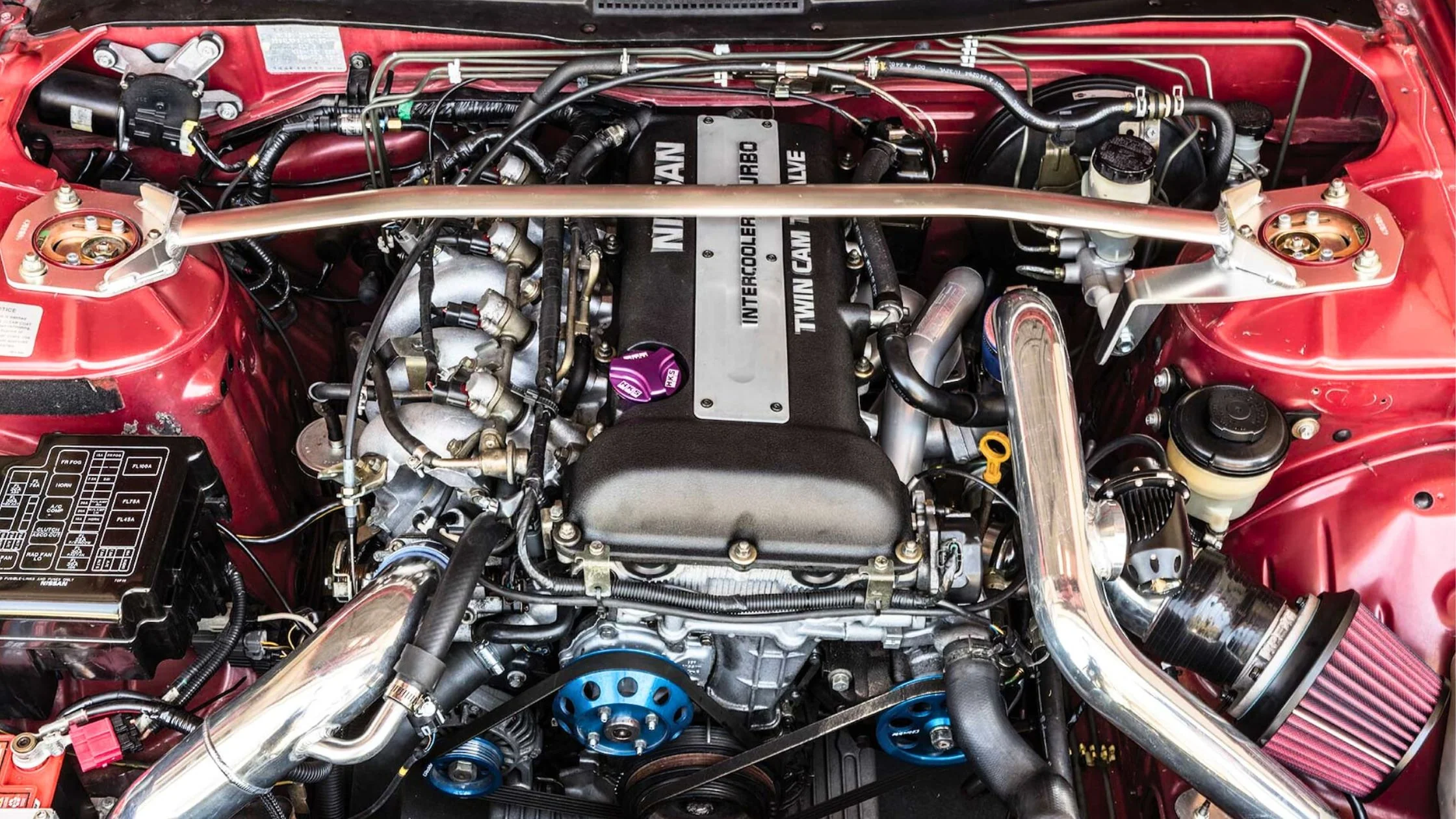
The appeal of a JDM swap isn’t just about rarity, though that’s part of it. A few practical factors keep pushing buyers toward imported engines instead of rebuilding what’s already under the hood:
- Lower mileage relative to age. Japan’s vehicle inspection system (shaken) makes it expensive to keep older cars on the road past a certain point, which means many JDM engines are pulled from vehicles with surprisingly low mileage for their age.
- Factory tuning and trim variety. Engines like the SR20DET, RB26DETT, and K20A were built with performance in mind from the factory, often in trims that never made it to the U.S. market officially.
- Cost versus a full rebuild. For many owners, sourcing a solid JDM engine ends up being more cost-effective than machining, rebuilding, and sourcing parts for a tired domestic block, especially when rare components are involved.
None of this is new information to seasoned import owners, but it’s exactly why the swap conversation keeps coming up at meets and in shop waiting rooms. It’s less about chasing a trend and more about practical value for the money.
What to Know Before Sourcing an Engine Locally
Buying a JDM engine, whether locally or shipped in, still comes with the same due diligence any used engine purchase requires. A few things worth checking before committing:
- Compression numbers. Ask for a compression test if it’s available, or budget for one yourself before installation.
- Mileage verification. Odometer readings on imported engines can be difficult to confirm with certainty, so look for sellers who provide documentation or auction sheets when possible.
- Engine code matching. Confirm the engine code matches what your chassis actually supports, since trim variations can affect wiring harnesses, ECU compatibility, and mounting points.
- Flood or salvage history. Rust in unexpected places, corrosion on electrical connectors, or a strong musty smell can all be signs of water damage that a quick visual inspection might miss.
Buying locally has an obvious advantage here: you can often inspect the engine in person or have someone you trust do it for you, rather than relying entirely on photos and a seller’s word.
The Role of Community and Local Shops in the Scene
A lot of what makes buying locally appealing isn’t just logistics, it’s trust. Car meets and local shops function as informal reputation systems. If a shop has a track record of selling solid engines with accurate mileage and no hidden damage, that reputation spreads fast within the community, and just as quickly, so does word about a shop that doesn’t.
This word-of-mouth element matters more in the JDM world than in a lot of other automotive niches, simply because so much of the inventory comes from overseas with limited documentation. Buyers lean heavily on relationships and community trust to fill the gaps that paperwork alone can’t cover.
Where the Scene Goes From Here
The New York import scene doesn’t show signs of slowing down. If anything, the combination of port access, an active enthusiast base, and shops adapting to demand suggests the local JDM market will keep growing rather than plateau. For anyone considering a swap, the takeaway is straightforward: do the homework, lean on community reputation where you can, and treat the purchase with the same scrutiny you’d apply to any major mechanical investment.